

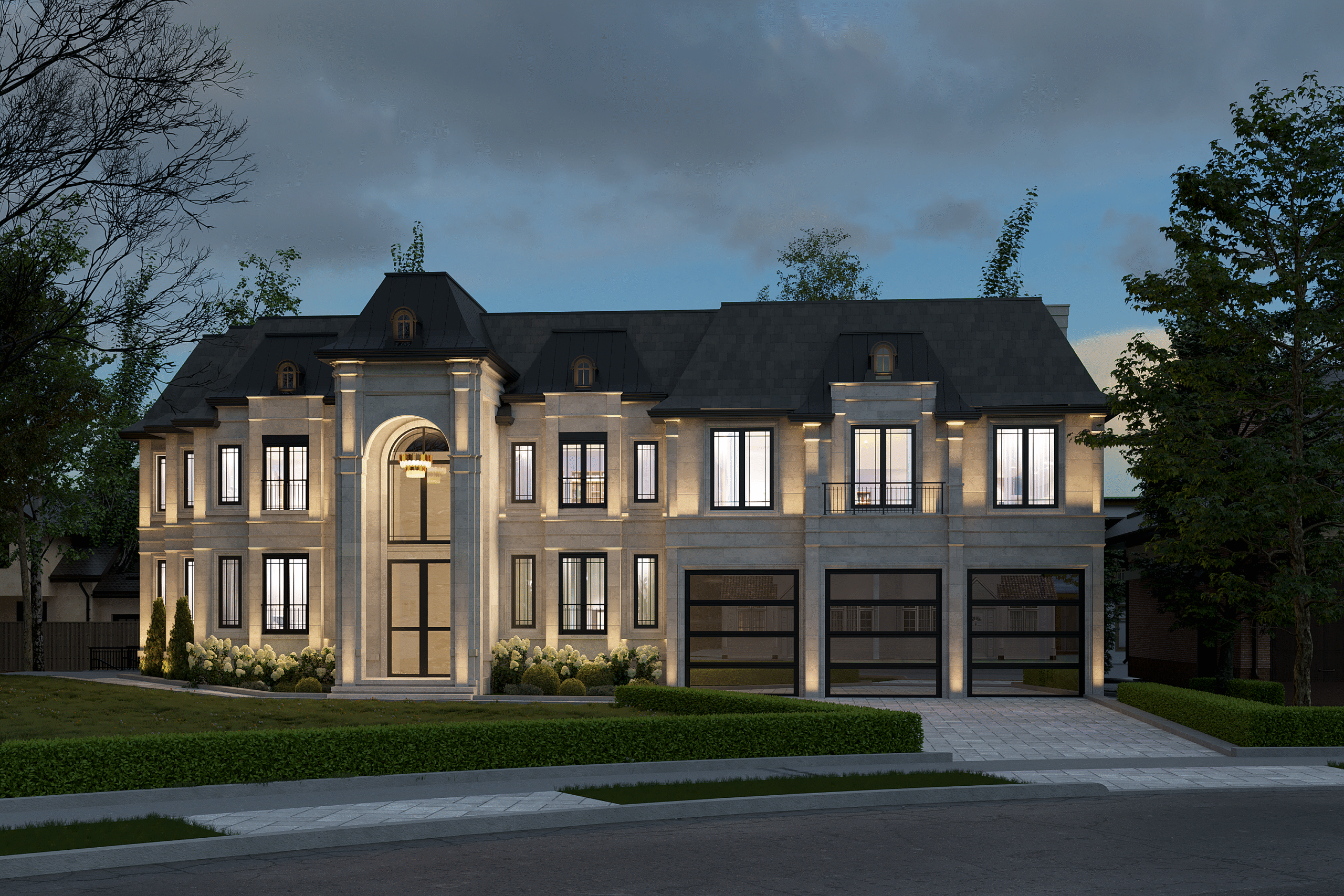
Building your dream home is one of the most exciting milestones you’ll ever experience. From selecting the perfect location to customizing every detail, the process allows you to create a space that reflects your vision and lifestyle. But before the first brick is laid, there’s an essential piece of the puzzle that can’t be overlooked – construction financing.
Unlike a traditional mortgage, financing a custom home build involves unique steps, multiple stages of funding, and additional documentation. Understanding how this process works will not only save you time and stress, but also ensure your home is completed on budget and on schedule.





The journey begins with a clear vision and a realistic budget. Before speaking with a lender or a builder, you should define the design, layout, and features that matter most to you, while also considering your future needs. A budget must go beyond materials and labor to include land costs, permit and inspection fees, utility connections, landscaping, and a contingency reserve for unexpected expenses. Most experts recommend keeping 10–20% aside to cover unforeseen costs. Having a budget in place not only keeps you focused but also demonstrates to lenders that you are financially prepared.
The next step is securing pre-approval for financing. If your project involves purchasing land, you may need a separate loan or a combined package that covers both the land and the construction. Pre-approval is valuable because it gives you a clear picture of your borrowing power, strengthens your position when negotiating with builders or purchasing land, and ensures that once your plans are finalized, financing is available without unnecessary delays. Working with a mortgage broker who specializes in construction financing can also open the door to lenders who offer more flexible terms and competitive options.
With pre-approval in hand, you can move on to finalizing your builder and construction plans. Lenders will typically require detailed architectural drawings, a signed contract with a licensed builder, and a breakdown of projected costs and timelines before they approve funds. Choosing the right builder is critical not only for the quality of your home but also for the financing process itself, as lenders often review a builder’s qualifications before agreeing to release funds.
Another crucial part of the process is securing the necessary permits and approvals. Depending on your municipality and property location, you may need building permits, zoning approvals, environmental assessments, and in some communities, homeowners’ association approvals. These steps can take time, so beginning the process early will prevent delays that could disrupt both your construction schedule and your financing draw schedule.
Construction loans operate differently than traditional mortgages because funds are not released in one lump sum. Instead, they are distributed in phases, known as draws, which correspond to milestones in the building process such as foundation completion, framing, roofing, and final inspection. Each draw usually requires a lender’s inspection to confirm progress before funds are released. This system provides accountability for all parties and ensures that the project is advancing as planned.
Even with a skilled builder managing the project, your involvement remains essential throughout the build. Regular site visits, open communication, and careful monitoring of invoices and changes will help you stay in control of the budget and ensure your vision is being executed correctly. Active participation also minimizes the risk of costly surprises later on.
Finally, when the construction is complete, your financing transitions into a permanent mortgage. For some homeowners, this involves refinancing a short-term construction loan into a standard mortgage, while others may benefit from loans that automatically convert at the end of the project. Before moving in, you will need to confirm that inspections have been finalized, permits are complete, contractors have provided lien releases, and a final walkthrough confirms that the home meets your expectations.
Financing a custom home may feel complex, but with preparation and the right guidance, the process can be straightforward. By clearly defining your vision, securing pre-approval, selecting a qualified builder, staying engaged during construction, and planning for the transition into a permanent mortgage, you will be well positioned to bring your dream home to life with confidence and peace of mind
Let us know if you need any help finding the right builder or setting a realistic budget for your construction project. We’re always happy to help you make your dream home a reality!